- HOME
- ABOUT US
- NEWS
- PRODUCTS
- LED Strip
- Neon Flex
- Accessories
- Raw Materials
- LED WallWasher
- Customized Acrylic Neon Sign
- PROJECTS
- CONTACT US


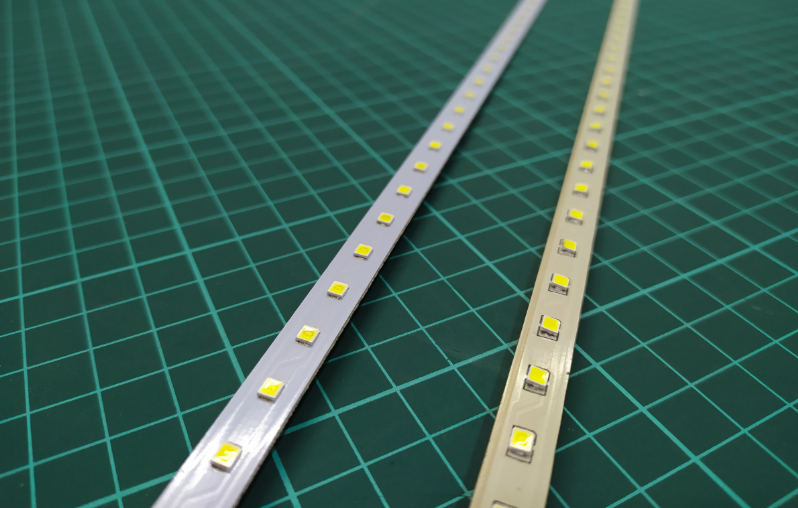
LED STRIP LIGHT DIE CUTTING SOLUTIONS
The invention of the light bulb was a significant achievement in humanity's conquest of darkness, transforming night into day.
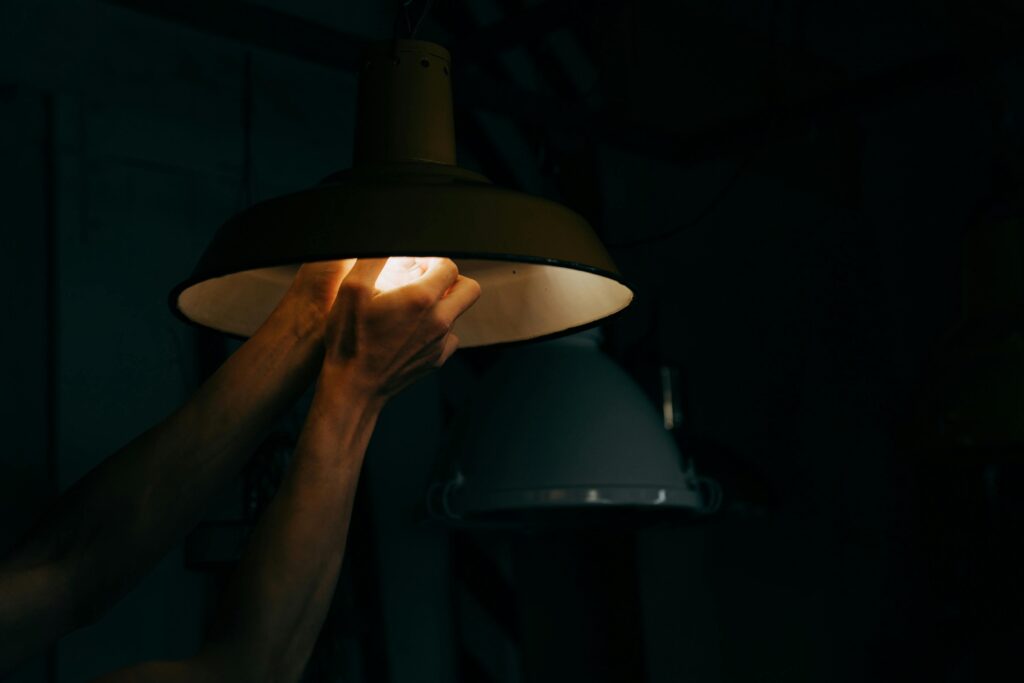
As technology and societ continue to evolve, light innovations have kept pace, With the LED light strips emerging as a prominet member of lighting family.
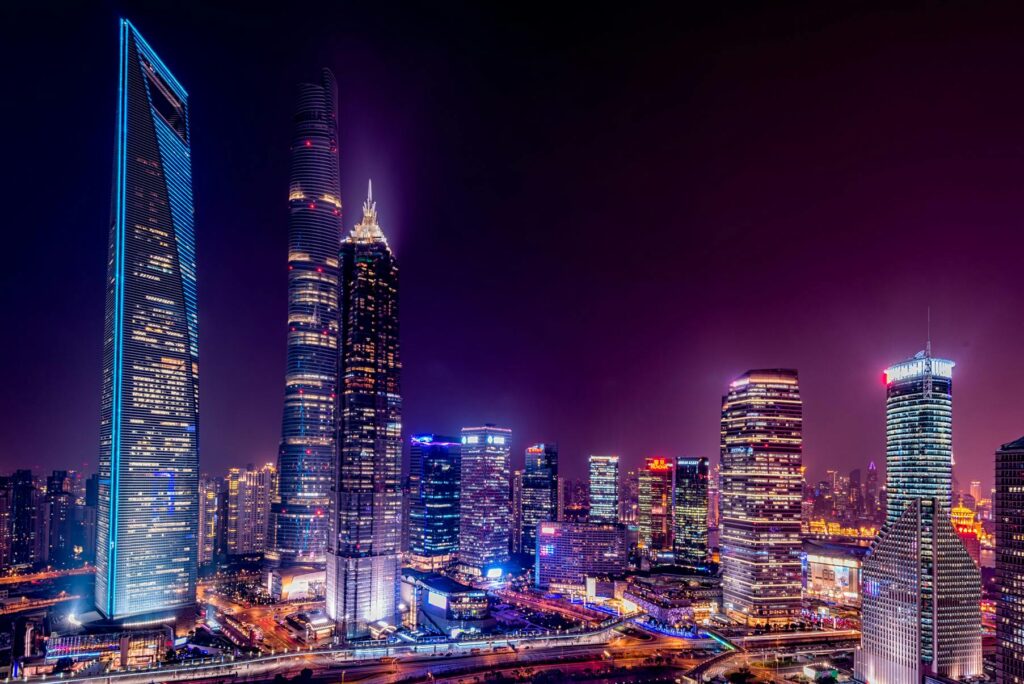
Initially, the application of LED light strips was not widespread, mainly seen in large parks, buildings, and commercial establishments. However,
With the rapid development of societ and the increasing demand for quality of life, create living has become a mainstream concept, and
LED light strips have caught the attention of various industries for their versatility.
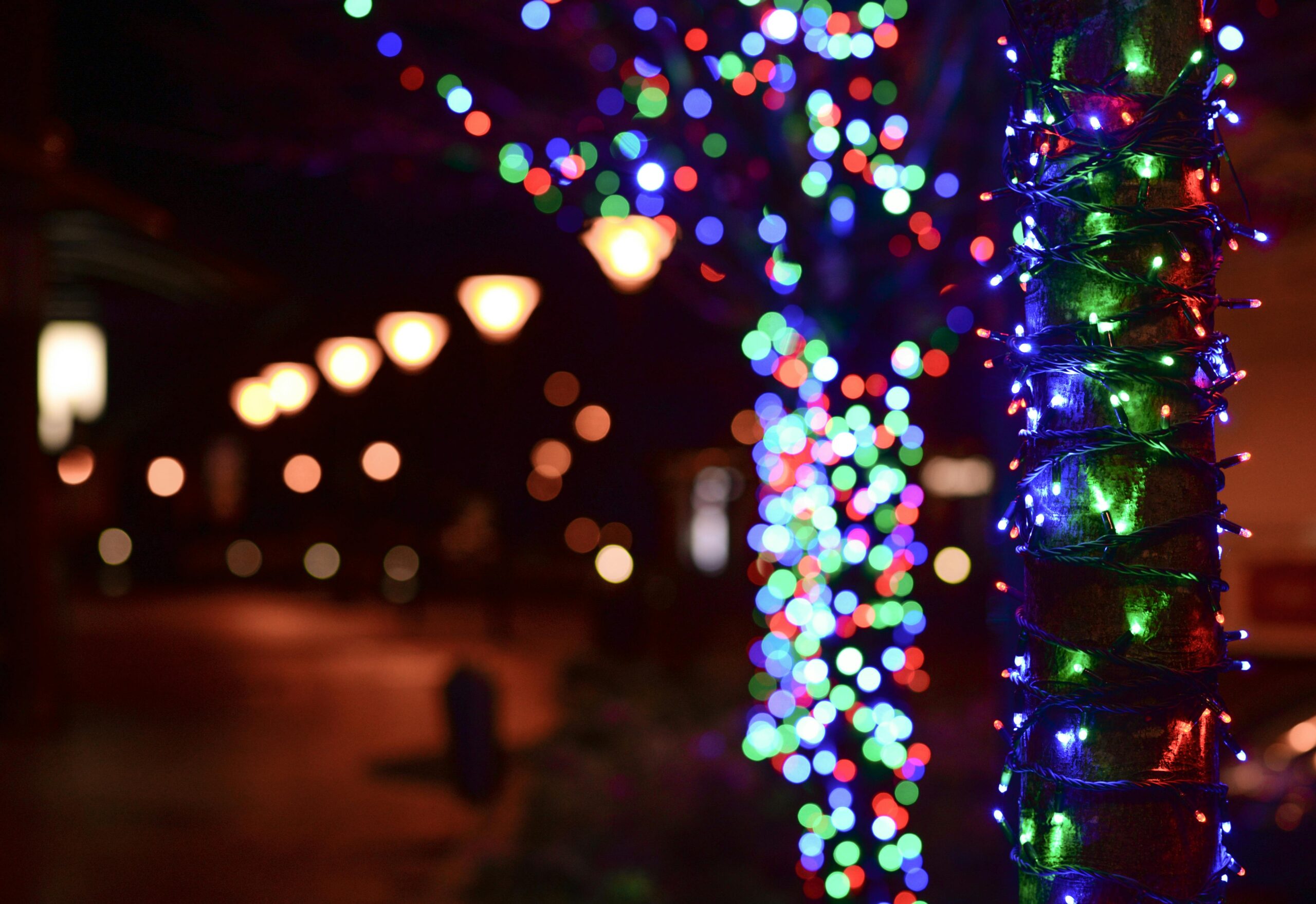
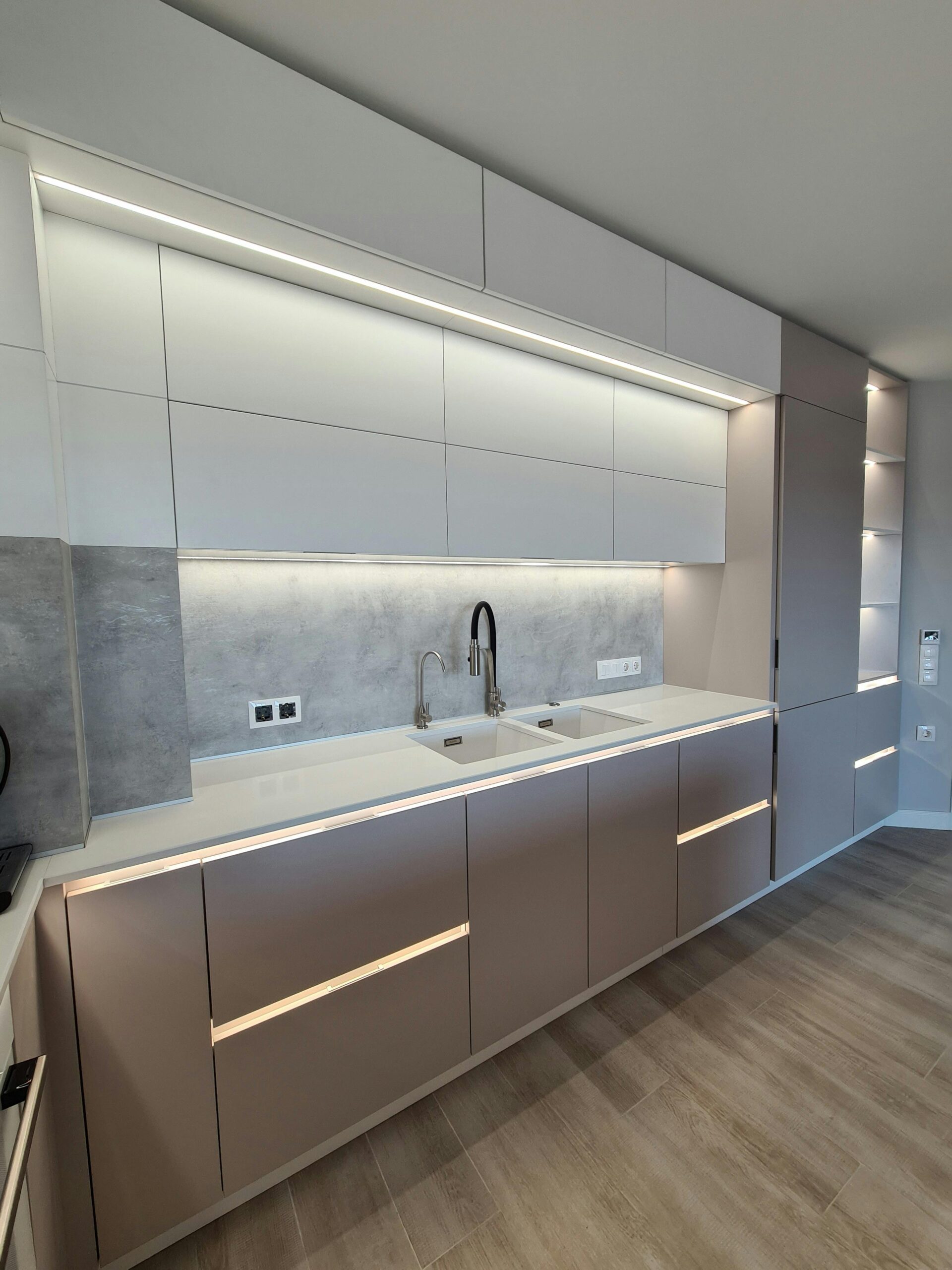
LED light strips can now be found in a multitude of environments, both indoors and outdoors.
Outdoor applications include parks, buildings, roads, bridges, pools, advertisements.
Vehicles, and ships. Indoors, they are used for display cases, residential and commercial lighting.
Hotels, shopping malls, office buildings, and decorative lighting at light festivals and other leisure venues.
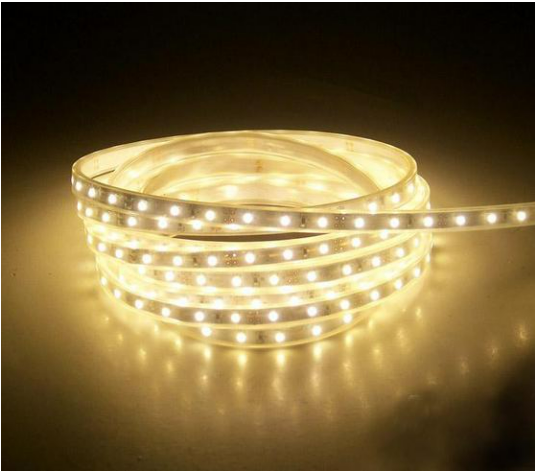
LED Light Strips are a flexible, energy-efficient, and enco-friendly alternative to traditional fluorescent tubes. Their widespread adoption
Can be attributed to several facts:
1). Flexibility: They can be easily bent, cut, and extended., allowing for the creation of various patterns and tent.
2). Insulation and waterproofing: The strips are encased in flexible plastic, providing excellent insulation
And waterproofing, ensuring safe and durable use.
3). Longevity: With an average lifespan of 80,000 to 100,000 hours, or approximately 11 years, They offer
A long-lasting solution.
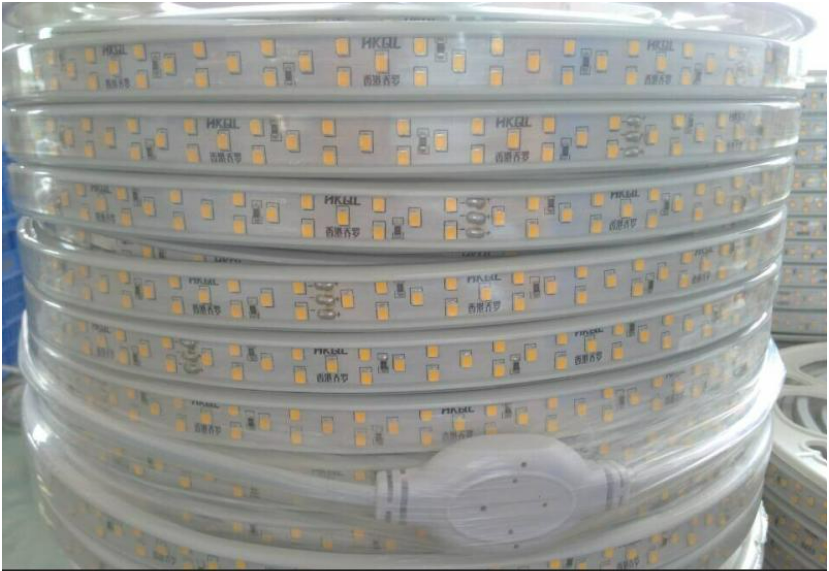
The initial process for creating light strips involved etching technology, which had several limitations:
1). Lack of environment friendliness due to the use of chemical agents.
2). Low positional accuracy and imprecise hole sizes.
3). Limitations on material thickness, with thicker products unable to be etched.
4). Potential for data inconsistency due to changes in the etching solution.
5). High costs due to the need for specific formulations and the inability to recycle etching liquid.
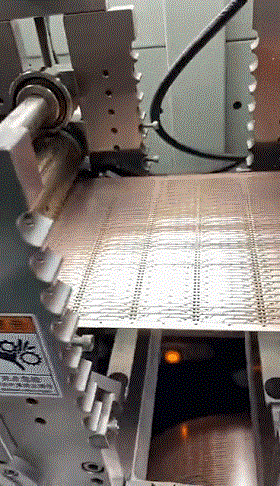
With advancements in production technology, die-cutting has largely replaced the early etching process.
The TANGSONG round knife mold addresses these issues effectively:
1). High precision die-cutting with a blade accuracy of ±0.02mm and a minimum blade gap of 0.3mm,
Resulting in low product error rate.
2). High yield and efficiency, saving on the cost of expensive materials.
3). Compatibility with single or multiple baldes for various complex processes.
4). Long service life.
5). Integrated process , with all operations completed on a single machine.
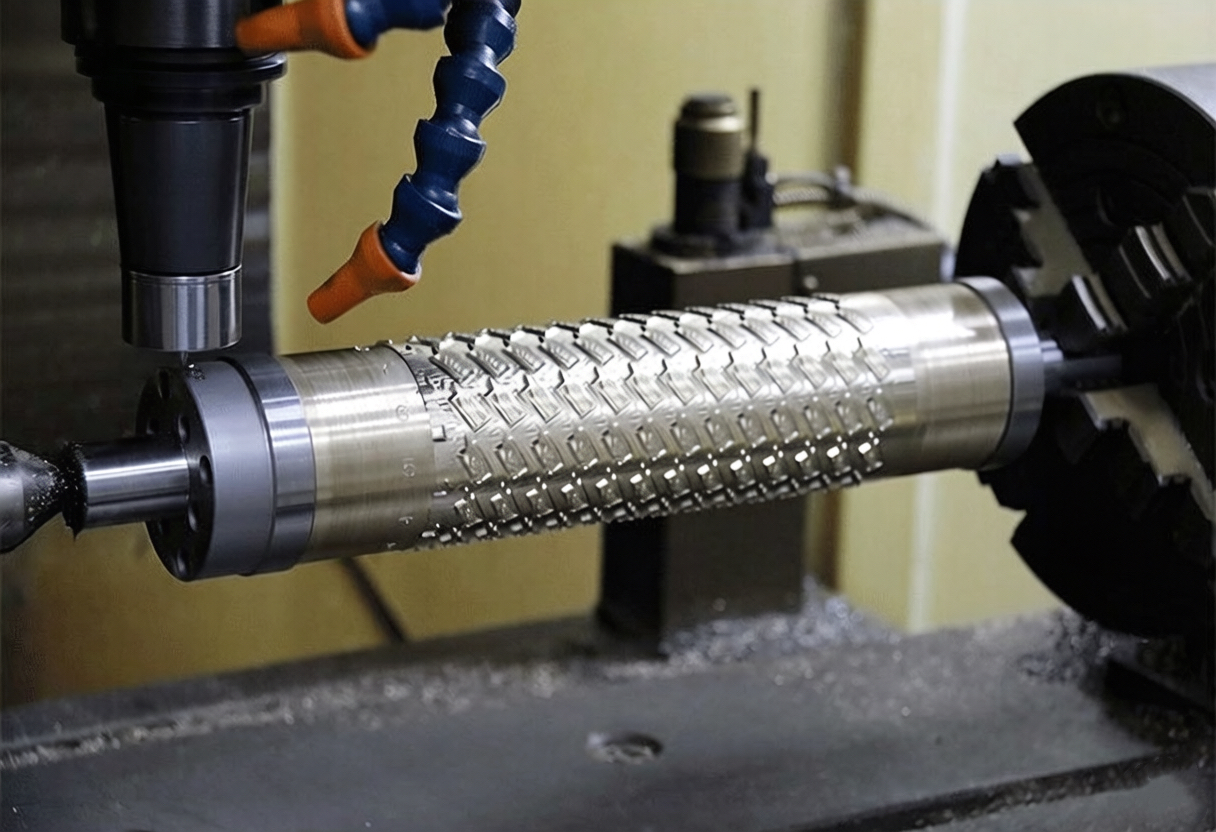
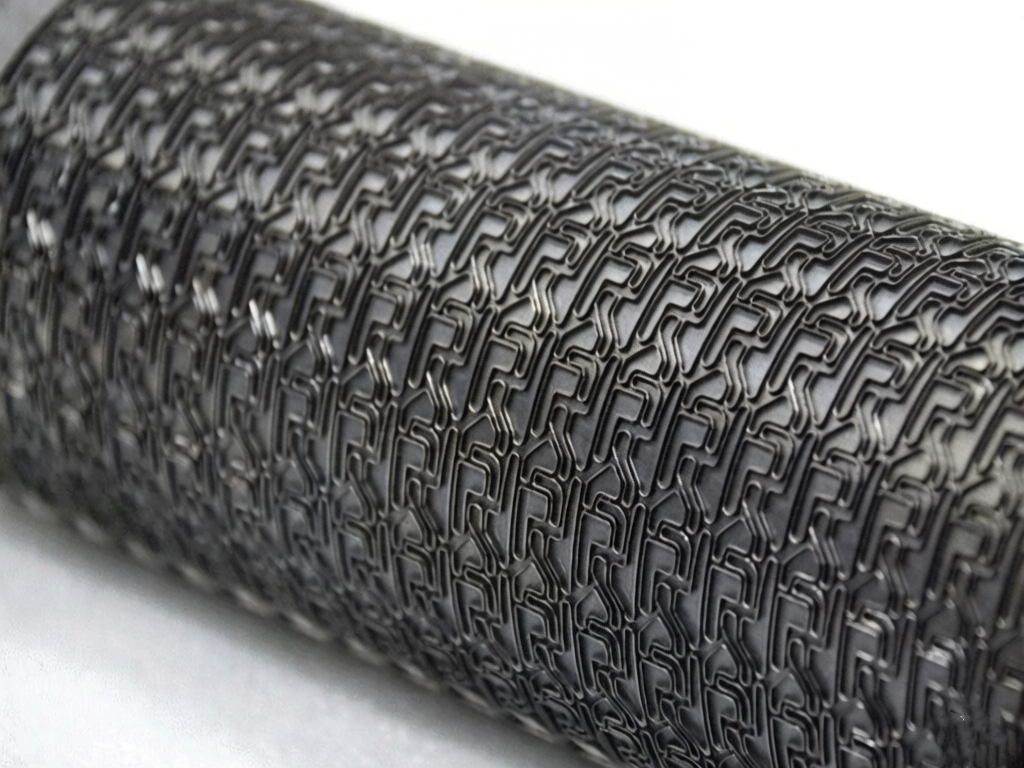
The process in light strip die-cutting technology represents a milestone in the evoluion
Of technology and society, with digital technology innovations making the die-cutting
Process more precise and consistent. This advancement allows for high precision and
Efficiency while maintaining user-friendly operation.
The technology behind light strips is not limited to this; With creativity in your hands
And innovation at TANGSONG, the possibilities are endless.
@2026 TANGSONG OPTOELECTRONIC CO.,LIMITED All rights reserved